
What Are the Signs of a Bad Circuit Breaker?
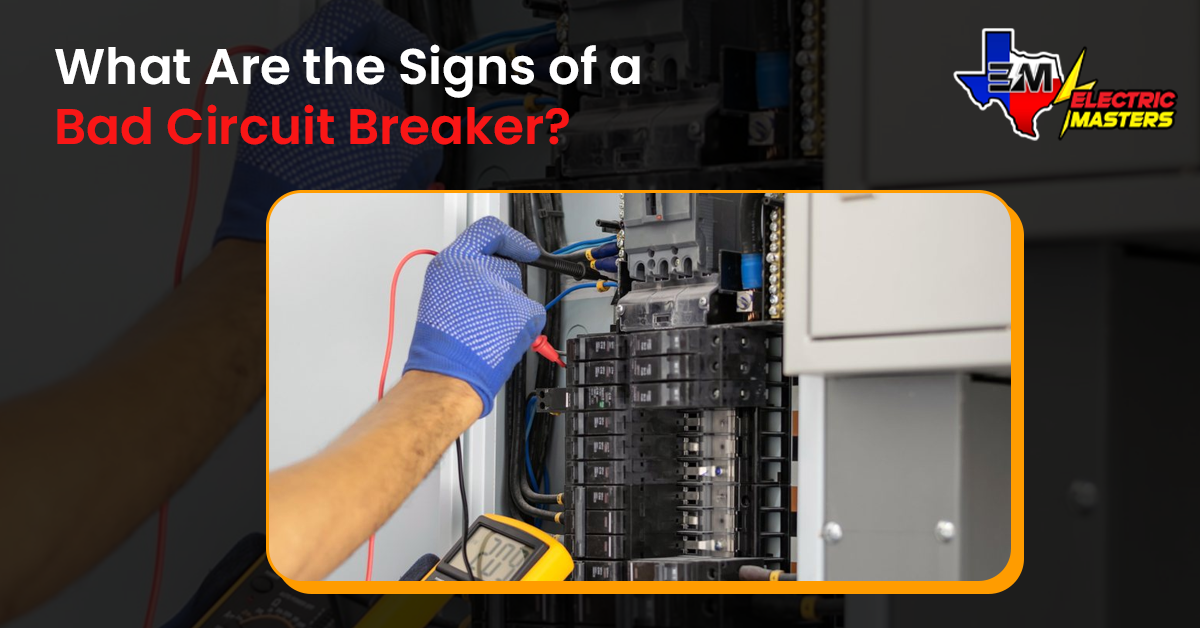
A circuit breaker trips when something goes wrong with the electrical supply. Most people flip the switch back and move on with their day. But when the same breaker keeps shutting off, there could be a bigger problem inside the electrical panel.
Sometimes the breaker is doing its job and protecting the wiring from an overload. Sometimes its parts of the inside have worn out or have been damaged. It is not always easy to tell the difference without proper testing.
A bad circuit breaker can leave rooms without electricity, damage connected equipment, or fail to disconnect power during a fault. Here are the signs homeowners should watch for.
What Are the Signs of a Bad Circuit Breaker? Common Problems Found in Homes
1. Circuit Breaker Keeps Tripping
Does your breaker trip whenever you switch on the microwave or air conditioner?
The circuit may have too many appliances drawing power at once. Damaged wires, faulty appliances, and short circuits can also make breakers trip.
Try unplugging appliances from the affected circuit. If the problem continues, contact a Residential Electrician.
Don't keep resetting the breaker every few minutes. You need to find out why it keeps shutting off.
2. Burning Smell Near the Electrical Panel
A burning smell coming from your Electrical Panel needs immediate attention.
Loose connections can generate heat inside the panel. Over time, that heat may damage insulation and plastic components.
Look for these signs without touching the equipment:
- Brown or black marks around switches
- Melted plastic
- Smoke coming from the panel
- A smell similar to burning wires
Stay away from the panel and call an electrician. If you notice smoke or fire, leave the area and contact emergency services.
3. Breaker Won't Stay in the ON Position
You push the breaker back into position, but it switches off immediately.
This can happen if there is a short or ground fault somewhere in the wiring. The breaker may also have a damaged switching mechanism.
Don't hold the switch in place or try to stop it from tripping.
An electrician can disconnect the circuit in question, test the wiring and see whether the breaker itself needs to be replaced.
4. Lights Flicker When Appliances Start
Your bedroom lights dim whenever the refrigerator starts running. Sometimes, the kitchen lights flicker for several seconds.
This doesn't always mean the circuit breaker is bad.
Loose connections, overloaded wiring, or voltage problems may cause the same symptoms.
If the problem is frequent, check the electrical system. Some homes need Electrical Updates when older circuits can no longer handle additional appliances.
5. Breaker or Panel Shows Signs of Overheating
A circuit breaker may become slightly warm while carrying electricity. However, burnt marks, melted parts, or unusual heat around the panel are not normal.
Overheating may happen because of:
- Loose terminal connections
- Excessive current
- Damaged breaker contacts
- Poor electrical connections
Don't remove the panel cover or touch damaged switches.
A licensed electrician should examine the affected circuit before anyone uses it again.
6. Buzzing or Crackling Sounds
Have you heard a buzzing sound coming from your breaker box?
You may also hear a constant buzzing or crackling sound. This may be electricity arcing across a bad connection.
Electrical arcing creates heat and may start a fire when nearby materials catch fire.
An Arc Fault Breaker can detect some types of electrical arcing, but it cannot fix damaged wires or loose connections.
Have an electrician inspect the panel rather than ignoring the noise.
7. Breaker Looks Old, Rusty, or Damaged
Circuit breakers don't have a fixed replacement date. Some work for decades without trouble, while others fail much sooner.
Age alone isn't enough reason to replace one.
But rust, cracks, broken switches, or signs of overheating indicate something’s wrong.
If your home has an older electrical panel, ask an electrician to examine its condition.
They can also check whether your existing wiring meets the needs of your household.
8. Electrical Outlets Stop Working
You plug your phone charger into an outlet, but nothing happens. Another outlet in the same room has also stopped working.
A tripped breaker could explain the power loss.
However, damaged outlets, broken connections, or wiring faults can produce similar problems.
Depending on what the electrician finds, electrical outlets may need to be put in or wiring may need to be repaired.
Commercial Electrician For offices and shops, a Commercial Electrician can check circuits that often lose electricity during business hours.
Why Do Circuit Breakers Go Bad?
Breakers can fail after repeated electrical faults, moisture damage, overheating, or wear inside their switching mechanisms.
Loose wiring connections can also damage breakers.
Poor Expert Electrical Wiring work may create problems that remain unnoticed until an appliance stops working or the power shuts off.
An electrician should test the breaker before replacing it. Installing a new breaker won't fix damaged wiring elsewhere in the circuit.
When Should You Replace a Bad Circuit Breaker?
Replace a breaker when an electrician confirms that it is damaged or no longer operates correctly.
The replacement must match the electrical panel and circuit requirements.
Electric Masters offers electrical troubleshooting, panel inspections and breaker replacement. Contact their team if your breaker repeatedly trips, smells burnt, or shows visible damage.
Frequently Asked Questions
1. How can I tell if my circuit breaker is bad?
Frequent tripping, visible damage, burning smells, or failure to reset may indicate a faulty breaker.
2. Can a circuit breaker go bad without tripping?
Yes. A damaged breaker may fail to disconnect electricity when a fault occurs.
3. How many years does a circuit breaker last?
Many breakers work for several decades, depending on their condition and operating environment.
4. Can a bad breaker cause lights to flicker?
It can, although loose wiring and other electrical problems are also common causes.
5. Should I replace a circuit breaker myself?
No. Hire a licensed electrician because electrical panels contain live parts that can cause serious injury.